
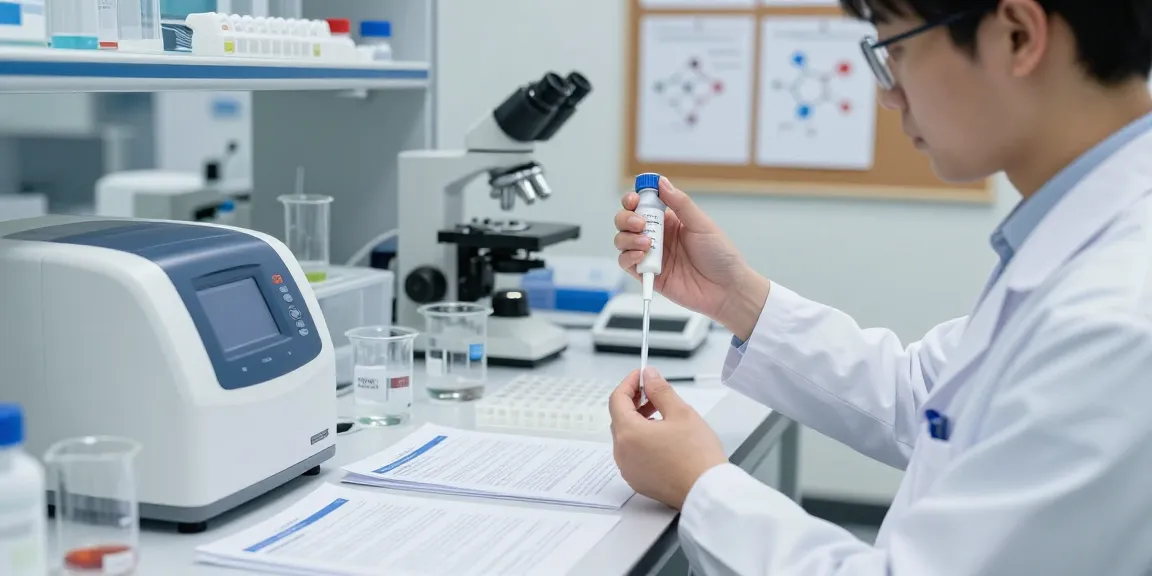
Understanding Lyophilized Peptide Vials
In the rapidly evolving field of laboratory research, lyophilized peptide vials have become essential tools for scientists seeking to conduct effective studies with peptide compounds. These vials, which contain peptides that have undergone a freeze-drying process, offer unique advantages in terms of stability, transport, and ease of use. As researchers continue to explore the implications of peptides in various biochemical pathways, understanding the nuances of these vials becomes paramount.
What Are Lyophilized Peptide Vials?
Lyophilized peptide vials are containers that hold peptides in their dried form. The process of lyophilization involves removing moisture from the peptides, which helps maintain their structural integrity and biological activity for extended periods. This method not only enhances the shelf life of peptides but also ensures that they remain stable during transportation and storage at ambient temperatures. Researchers often reconstitute these peptides with a suitable solvent, such as bacteriostatic water, prior to use in experiments.
Benefits of Using Lyophilized Peptide Vials in Research
- Extended Shelf Life: The removal of moisture significantly prolongs the usability of peptides.
- Enhanced Stability: Lyophilized peptides resist degradation, preserving their efficacy for research applications.
- Convenient Handling: These vials facilitate easier transportation and storage, simplifying laboratory logistics.
- Cost-Effective: By reducing the risk of degradation, researchers can maximize their investments in high-quality peptides.
Quality Standards for Laboratory Use
At VialPepLab, stringent quality controls ensure each lyophilized peptide vial meets the necessary purity standards required for scientific research. Each peptide undergoes HPLC verification to confirm a purity level of ≥99% before being combined into blends or packaged as standalone products. This attention to detail guarantees that researchers receive compounds that are suitable for rigorous in vitro laboratory applications.
Applications of Peptide Blends and Bundles
Peptide blends and bundles represent a revolutionary approach to peptide research, allowing scientists to study the interactions between multiple compounds simultaneously. These multi-compound protocols lead to more comprehensive research insights and greater efficiencies in experimental design.
Multi-Compound Studies with Peptide Blends
Multi-compound studies are increasingly essential in understanding complex biological systems. Peptide blends allow researchers to investigate how different compounds interact with each other, opening new avenues for discovery and innovation in drug development and therapeutic interventions. For instance, combining growth hormone-releasing hormone (GHRH) analogs with secretagogues can enhance the understanding of their synergistic effects on cellular pathways.
Complementary Mechanism Research Strategies
In complementary mechanism research, scientists explore how various peptides interact within the same biological pathway. This approach aids in optimizing therapeutic strategies by identifying effective combinations of peptides that enhance desired outcomes while minimizing side effects. Blends can be designed to target specific receptors or molecular pathways, resulting in targeted therapeutic effects.
Case Studies: Success with Bundled Research Peptides
Numerous successful studies have utilized bundled peptide offerings to achieve significant research results. For example, the Recovery Stack (comprised of BPC-157, TB-500, and GHK-CU) has shown promise in enhancing tissue repair and recovery in animal models. Researchers have noted superior healing rates and reduced recovery times when utilizing these specific blends compared to single compounds. Such case studies underscore the practicality and efficacy of peptide bundles in various research contexts.
Best Practices for Handling and Storage
To maintain the integrity of peptide vials, proper handling and storage protocols are crucial. Researchers must adopt best practices that ensure the stability and usability of these vital compounds.
Protocols for Properly Reconstituting Peptide Vials
Reconstitution is a critical step in peptide research. When reconstituting lyophilized peptides, it is essential to use sterile techniques to prevent contamination. Additionally, researchers should be mindful of the solvent’s volume and composition, as these factors can influence the peptide’s solubility and subsequent activity. Following manufacturer guidelines is recommended to ensure optimal reconstitution conditions.
Storage Conditions to Maintain Stability
Lyophilized peptides should be stored in a cool, dry place, away from direct sunlight. Although they are stable at room temperature, storing them in a refrigerator can extend their shelf life even further. Once reconstituted, peptides should be used promptly or stored in appropriate conditions, typically at -20°C, to prevent degradation.
Avoiding Common Handling Mistakes
- Improper Reconstitution: Always use the correct solvent and follow specified protocols to avoid degradation.
- Inadequate Storage: Ensure peptides are stored correctly, as improper conditions can lead to loss of efficacy.
- Contamination Risks: Employ aseptic techniques to prevent contamination during handling.
Innovative Research Techniques Using Peptides
As peptide research advances, innovative techniques are emerging that leverage the unique properties of peptide vials for groundbreaking applications.
Integrating Peptide Vials in Pathway Comparison Research
Pathway comparison research that utilizes peptide vials allows researchers to dissect complex signaling networks and identify key regulators within biological systems. By incorporating various peptides in controlled environments, scientists can elucidate the roles of specific peptides in signaling pathways and their potential therapeutic implications.
Optimizing Experimental Design with Pre-formulated Blends
Pre-formulated blends simplify experimental design by eliminating the need for individual compound preparation. Researchers can focus on analyzing results rather than managing the complexity of each component. This increase in efficiency fosters a more productive research environment, optimizing outcomes.
Evaluating Efficacy: Measurement and Metrics
Assessing the efficacy of peptide blends requires robust measurement techniques and metrics. Common methods include cellular assays, animal models, and biochemical assays that measure specific outcomes, such as cell proliferation, apoptosis, or metabolic activity. By integrating detailed metrics into experimental designs, researchers can accurately gauge the impact of peptide combinations on biological processes.
Future Trends in Peptide Research (2026 and Beyond)
The landscape of peptide research is poised for significant transformations in the coming years. As scientific knowledge expands and technology advances, several key trends are expected to shape the future of this field.
Emerging Research Areas Focused on Peptides
Emerging areas in peptide research include immunotherapy, regenerative medicine, and personalized therapies. Scientists are increasingly focusing on how peptides can be tailored to target specific diseases or conditions, paving the way for more effective treatments.
Technological Advances in Peptide Synthesis
Advancements in synthesis technologies, such as automated solid-phase peptide synthesis, are expected to reduce costs and enhance the scalability of peptide production. These innovations will facilitate the development of more complex peptide structures, allowing researchers to explore previously unattainable therapeutic targets.
Predictions for Market Growth and Opportunities
As the demand for peptide-based therapies rises, the market is projected to expand significantly in the upcoming years. Research firms anticipate opportunities in the development of novel peptide therapeutics and diagnostic solutions, presenting new avenues for innovation and growth in the pharmaceutical industry.
Key Advantages of Lyophilized Peptide Vials
Lyophilized peptide vials offer several key advantages, including enhanced stability, ease of transport, and a longer shelf life. These factors are crucial for researchers aiming to maintain consistency and reliability in their experimental setups.
How Should I Store and Handle Peptide Vials for Optimal Use?
Proper storage conditions, including temperature control and avoidance of moisture, are essential for preserving the integrity of peptide vials. Handling protocols should also include aseptic techniques to minimize contamination risks during reconstitution and usage.
Common Applications of Peptide Blends in Research
Peptide blends are commonly utilized in various research applications, including pharmacology, cellular signaling studies, and regenerative medicine. Their ability to provide complementary mechanisms enhances the understanding of complex biological interactions.
Ensuring Quality and Purity in Peptide Research
Researchers must prioritize quality assurance by obtaining peptides from reputable suppliers that adhere to strict purity standards and provide certificates of analysis (COAs) for all products. This practice ensures that research findings are credible and reproducible.
Monitoring Trends in Peptide Studies for 2026
As we move toward 2026, researchers should keep an eye on advancements in peptide delivery systems, synthetic methodologies, and applications in precision medicine. These trends will play a critical role in shaping the future landscape of peptide research.