The Importance of Slot in Pizza Making
In the world of pizza making, precision is paramount, and the term "slot" is often pivotal to achieving that perfect slice. Understanding the techniques associated with slot can transform an ordinary pizza into an extraordinary culinary experience. As we explore the intricacies of slot in pizza preparation and cooking, we will uncover why it is essential for both amateur cooks and professional chefs alike. From its role in dough management to the best practices that enhance the cooking process, mastering slot techniques can elevate your pizza-making skills significantly. When exploring options, slot provides comprehensive insights into enhancing your pizza experience.
Understanding What Slot Means in Cooking
Slot refers to the specific technique used in preparing and cooking pizza that involves the manipulation of dough, toppings, and oven settings to achieve optimal results. It can encompass various practices such as dough stretching, layering of ingredients, and even the temperature at which the pizza is cooked. Essentially, slot is all about creating the perfect balance—ensuring that the crust is neither too thick nor too thin, that the toppings are evenly distributed, and that the flavors meld together beautifully.
Why Slot is Critical for Perfect Pizza
The importance of slot in pizza making cannot be overstated. A well-executed slot technique ensures that the pizza has a crispy crust that can support the toppings without becoming soggy. This is crucial for maintaining the integrity of classic pizza styles, such as Neapolitan or New York-style pizza. When done correctly, slot allows for an even bake that brings out the best flavors while preventing burnt edges or undercooked centers. The right slot technique can also enhance the overall visual appeal of the pizza, making it more enticing to customers or guests.
Common Misunderstandings About Slot Techniques
Despite the prominence of slot in pizza making, many misunderstand its importance and application. One common misconception is that slot is merely about the dough. While the dough's quality is indeed essential, effective slot techniques also involve understanding the interactions between various ingredients, from sauce to cheese to toppings. Another misunderstanding is that slot techniques are static; in reality, they can evolve based on personal preference or new cooking methods. For instance, some chefs may prefer using a higher hydration dough to achieve a lighter texture, which involves a different approach to slot than traditional techniques.
Best Practices for Mastering Slot Techniques
To truly master slot techniques in pizza making, it’s essential to adopt best practices that focus on ingredients, preparation, and equipment. These guidelines can significantly enhance your pizza outcomes and ensure consistency across batches, making them invaluable for both home cooks and professionals.
Key Ingredients That Enhance Slot Cooking
- Flour: Use high-protein flour like bread flour to create a strong gluten network, essential for good chew and structure.
- Water: The right water temperature and quality are critical; aim for mineral-rich water when possible.
- Yeast: Fresh yeast can yield better results in terms of rise and flavor compared to older, dried varieties.
- Toppings: Opt for fresh, seasonal ingredients that complement each other, ensuring a balanced flavor profile.
Preparation Techniques: Getting the Dough Right
Preparing the dough correctly is the cornerstone of successful slot techniques. Begin by measuring your ingredients carefully and mixing them thoroughly. Allow the dough to rise until it has doubled in size, which may take anywhere from 1 to 3 hours depending on your environment. Punch the dough down gently, and use a technique called “stretch and fold” to develop gluten further without overly kneading. This method not only helps in creating a robust dough structure but also aligns well with slot techniques, enhancing the overall pizza quality.
Cooking Equipment for Optimal Slot Performance
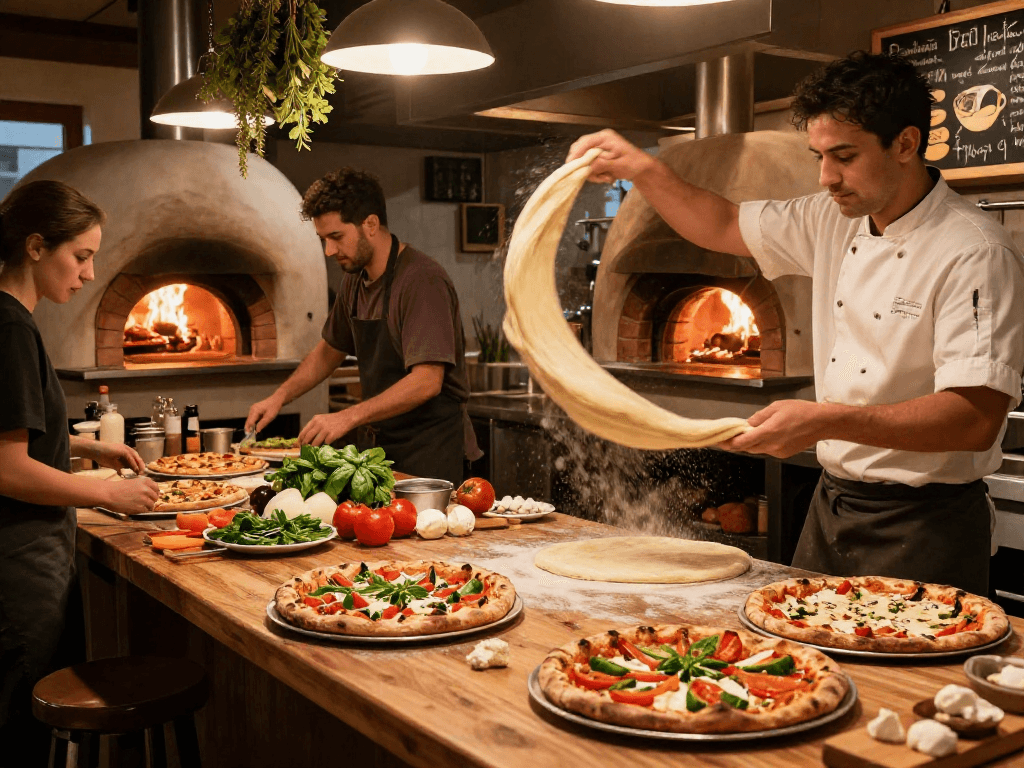
Investing in the right equipment can dramatically improve your slot techniques. A pizza stone or steel can retain heat better than a conventional baking sheet, providing a crispy crust. Additionally, consider a pizza peel to easily transfer your pizza in and out of the oven—this is particularly useful in maintaining the dough's integrity during cooking.
Common Pitfalls to Avoid When Using Slot
Even seasoned chefs can fall prey to common mistakes when applying slot techniques in pizza making. Understanding these pitfalls is crucial to producing high-quality pizzas regularly.
Overlooking Ingredient Quality
Using subpar ingredients is perhaps the biggest mistake one can make. Whether it’s the flour, yeast, or toppings, the quality of your components directly affects the final product. Always opt for the freshest ingredients, as they contribute to better flavor and texture in your pizza.
Improper Oven Temperature Management
Another significant pitfall occurs when cooks fail to manage oven temperatures effectively. For optimal results, preheat your oven well in advance, ideally to a temperature between 475°F and 500°F. This high heat is essential for achieving that signature crispy crust that defines a great pizza.
Ignoring the Importance of Timing
Timeliness can make or break your pizza. From the amount of time the dough ferments to how long the pizza bakes, each stage requires attention to detail. Underbaking can lead to a doughy texture, while overbaking may result in a burnt crust—both outcomes that detract from the overall pizza experience.
Real-World Examples of Successful Slot Usage
To better understand how slot techniques can be successfully applied, let’s look at some real-world examples from renowned pizzerias across the country.
Case Studies from Top Pizzerias
Several top-tier pizzerias have mastered slot techniques, consistently delivering high-quality pizzas. For instance, a well-known pizzeria in Naples uses a unique combination of slow fermentation and high hydration dough, resulting in an airy crust that is both crispy and chewy. Their methodical approach to slot ensures that customers return time and again for the same exceptional experience.
Customer Feedback and Taste Tests
Customer feedback can be invaluable for refining pizza recipes. Many establishments conduct regular taste tests, where they assess various slot techniques by inviting patrons to sample and provide input. This consumer-driven approach fosters a deeper understanding of preferences and inspires ongoing culinary innovation.
Comparative Analysis: Slot vs. Traditional Methods
To illustrate the effectiveness of slot techniques, a comparative analysis between traditional methods and modern slot approaches can be enlightening. Traditional pizza-making methods often prioritize simple ingredient combinations and a lower heat, which can lead to a denser crust. On the other hand, slot techniques, backed by precise ingredient ratios and temperature control, produce a nuanced flavor profile and an appealing crust that stands out. Many pizza aficionados can easily identify the superior texture and taste of pizzas made with advanced slot techniques over those made using more conventional methods.
Future Trends in Pizza Making and the Role of Slot
The pizza-making landscape is continuously evolving, and slot techniques are likely to adapt along with these changes. Here’s a look at the future trends that could shape the way we make pizza.
Innovations in Pizza Preparation for 2026
As we look toward 2026, innovations such as artificial intelligence-driven recipe development and automated cooking systems are on the horizon. These technologies promise to streamline the pizza-making process while still enabling cooks to apply advanced slot techniques effectively. Chefs may leverage AI to analyze flavor profiles and ingredient combinations, enhancing the overall pizza quality.
Emerging Ingredients and Techniques Impacting Slot
In the coming years, new ingredients like alternative flours (e.g., chickpea, almond) and plant-based cheeses may emerge, impacting traditional slot techniques. Understanding how to incorporate these materials into existing practices will be key to staying relevant in the evolving culinary landscape.
Shifts in Consumer Preferences and Expectations
As consumers become more health-conscious, their expectations for pizza will also shift. Pizzerias may need to adapt their slot techniques to accommodate requests for gluten-free options, organic ingredients, and lower-calorie alternatives. This adaptability will be essential for maintaining a competitive edge in the market.
What’s Next for Pizza: Insights from Culinary Experts
Culinary experts predict that the emphasis on sustainability will grow, leading to local sourcing of ingredients and environmentally friendly practices. This shift will require chefs to rethink their slot techniques in terms of ingredient selection and cooking methods, further enhancing the pizza-making experience.
FAQs about Slot Techniques in Pizza Making
To demystify slot techniques further, here are some frequently asked questions:
Why is Slot Essential in Pizza Making?
Slot is essential because it directly influences the texture, flavor, and overall quality of the pizza. By mastering slot techniques, cooks can achieve a perfect balance of crust and toppings, enhancing the eating experience.
What Ingredients Work Best with Slot?
High-quality flour, fresh yeast, and seasonal toppings work best with slot techniques. These ingredients contribute to a well-structured dough and a harmonious flavor profile.
How Can I Perfect My Slot Technique?
To perfect your slot technique, practice consistently, experiment with different recipes, and pay attention to ingredient quality. Additionally, consider taking courses or seeking mentorship from experienced pizza makers.
Are There Variations of Slot in Different Cuisines?
Yes, variations of slot techniques exist across different cuisines, such as the unique methods used in Neapolitan, Sicilian, and New York-style pizzas. Each style has its own set of practices that cater to its specific requirements and flavor profiles.
What Equipment is Recommended for Slot Cooking?
Essential equipment includes a pizza stone or steel, a pizza peel, a dough scraper, and kitchen scales for accurate measurements. These tools will help you execute slot techniques effectively, resulting in better pizzas.