Understanding the Importance of Slot in Catering
In the catering industry, the term "slot" refers to the specific time allocated for food service during an event. Proper slot management is critical for both caterers and clients, as it helps ensure that the flow of food service aligns with the event schedule and guest expectations. When exploring options, slot management provides comprehensive insights into optimizing catering logistics, ultimately enhancing guest experiences and operational efficiency.
What Does Slot Mean in Catering?
In catering, a "slot" is not merely a time frame; it encompasses a well-structured approach to meal service. This includes the timing of food preparation, the arrangement of food stations, and the pacing of service to accommodate guest flow. The significance of slot management can be witnessed during various types of events, from weddings to corporate gatherings, where timing directly influences guest satisfaction.
Why Slot Planning is Crucial for Success
Effective slot planning plays a pivotal role in the success of catering services. Poorly coordinated slots can lead to delays, food wastage, and a lack of guest engagement. When events are planned with clear slots, caterers can ensure that food reaches guests at the optimal temperature and freshness, which is fundamental for food quality and safety. Additionally, a structured slot system allows event managers to forecast labor needs and manage resources effectively.
Common Misconceptions About Slot Allocation
One common misconception about slot allocation is that it is only a concern for larger events. In reality, even smaller gatherings benefit from thoughtful slot planning. Additionally, some believe that all food should be served at once; however, staggered service can enhance the dining experience by reducing crowding at food stations and allowing guests to enjoy their meals in a more relaxed atmosphere. Misunderstanding these elements can hinder service effectiveness and overall guest satisfaction.
Key Components of Effective Slot Management
Analyzing Guest Count and Event Type
Analyzing guest count and the type of event is fundamental for effective slot management. The number of attendees and the nature of the event (formal dinner, buffet, cocktail hour) dictate how slots should be organized. For instance, a plated dinner may require longer slots compared to a buffet setup, as guests will need time to be served and eat before moving on to the next activity.
Setting Up Optimal Food Stations
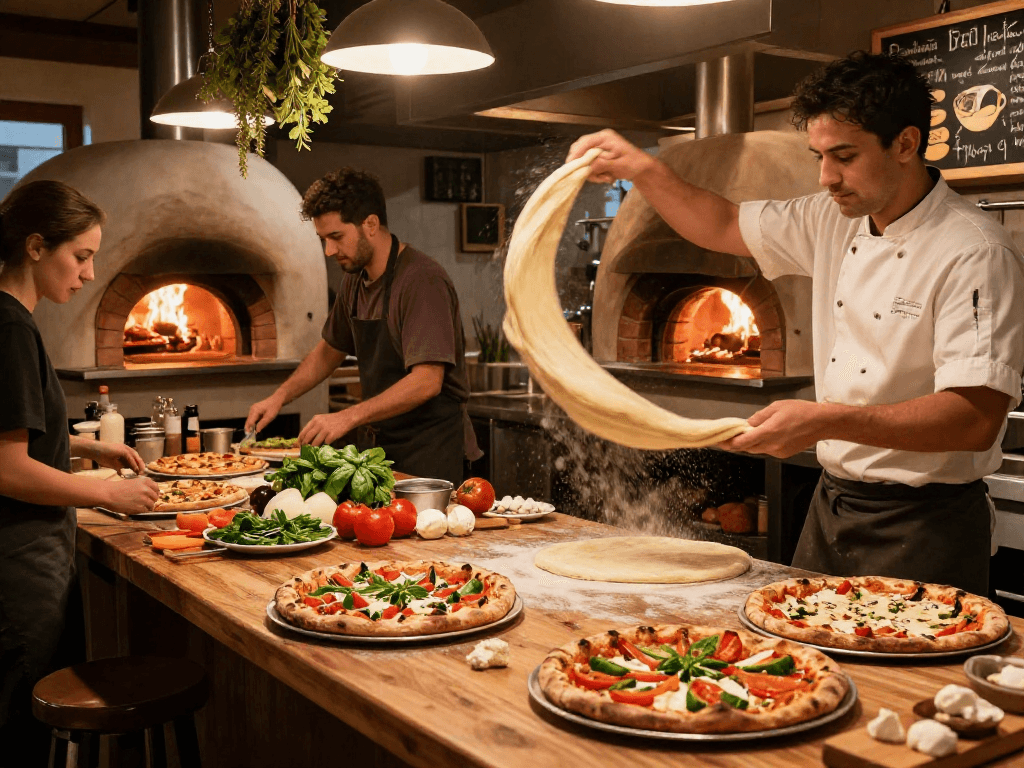
Food station configuration is another critical component of slot management. Strategically placing food stations based on the event layout can encourage a smoother flow of guests and enhance their experience. For instance, if a large number of guests are expected, having multiple food stations can significantly reduce wait times and improve the overall efficiency of service.
Adjusting Slots for Seasonal Trends and Events
Seasonal trends heavily influence the catering industry. For instance, holiday parties in December may necessitate different slot allocations compared to summer outdoor events. Caterers must be prepared to adapt slots based on seasonal popularity of certain foods, guest preferences, and varying numbers of expected attendees. Understanding these trends will ensure events remain relevant and engaging.
Strategies for Avoiding Slot Mistakes
Planning for Peak Times and Guest Flow
One of the critical strategies in slot management is anticipating peak times during an event. Hosting a large wedding reception, for example, requires careful planning to avoid bottlenecks at food stations. The implementation of staggered service times and clear signage can help guide guests to their respective stations, enhancing the overall experience.
Incorporating Feedback for Continuous Improvement
Post-event feedback is invaluable for improving future slot management. Collecting insights from guests and event organizers allows caterers to recognize what worked and what didn’t concerning slot allocation. This feedback loop is essential for refining processes and enhancing customer satisfaction in future events.
Utilizing Technology for Slot Management
In the digital age, technology plays a significant role in optimizing slot management. Catering businesses can leverage software solutions that assist in managing guest lists, calculate food quantities, and even simulate event layouts to identify optimal slot configurations. Adopting such technologies can streamline operations and ensure a higher standard of service.
Real-World Examples of Successful Slot Implementation
Case Study: Corporate Event Catering
In a recent corporate event, a tech company hosted a product launch with 500 attendees. The catering team implemented a timed slot system where food stations opened in intervals, ensuring that guests did not overwhelm any single area. This approach not only maintained food quality but also enhanced guest mingling and networking opportunities, proving highly successful.
Case Study: Wedding Reception Slot Planning
At a wedding reception with 200 guests, the catering team utilized a tiered slot system. Guests were invited to the buffet in groups based on table numbers, allowing for a smooth flow and reducing wait times. The result was an enjoyable dining experience that complemented the celebratory atmosphere of the event.
Lessons Learned from Failed Slot Strategies
Examining failures can provide valuable insights. One catering company faced significant issues during a gala dinner due to poorly planned slots, resulting in long lines and cold food. The lack of staggered meal service and insufficient food stations led to guest dissatisfaction. The primary takeaway was the importance of proactive slot planning and the need for flexibility to adapt to real-time circumstances during events.
Future Trends in Catering Slot Management for 2026
Emerging Technologies in Catering Planning
Looking ahead to 2026, technology will continue to reshape how slot management is approached in catering. Innovations such as mobile applications for guest ordering and real-time data analytics for event tracking promise to streamline service and enhance the personalization of catering experiences.
How Sustainability Impacts Slot Decisions
Sustainability is becoming increasingly vital in catering. As clients and guests demand more eco-friendly options, caterers must consider slot management strategies that reduce waste. This includes effective planning of food quantities based on realistic guest counts and utilizing local and seasonal ingredients to minimize carbon footprints.
Preparing for Post-Pandemic Catering Challenges
The catering industry is still adapting to changes brought about by the pandemic. Future slot management will need to be flexible, accommodating the potential for fluctuating guest counts and food service formats. Understanding guest concerns about safety, hygiene, and experience will be essential for successful catering operations in the coming years.
What is included in catering slot management?
Catering slot management includes analyzing guest counts, planning food station setups, timing service, and assessing seasonal trends. These components work together to ensure that food service aligns with event schedules, maximizing guest satisfaction and service quality.
How can I optimize my catering slot setup?
To optimize your catering slot setup, focus on understanding your event's needs. This includes preparing for peak times, arranging food stations for optimal flow, and leveraging technology for real-time adjustments. Continuous feedback from past events can also guide improvements in your slot planning process.
What are the common challenges in slot management?
Common challenges in slot management include managing fluctuating guest counts, coordinating service timelines, and ensuring food quality. Caterers often face the difficulty of balancing the pacing of service with the need for efficiency, particularly during large events.
How do seasonal trends affect catering slots?
Seasonal trends affect catering slots by influencing guest preferences and availability. For instance, summer events may favor lighter fare, while winter gatherings typically see an increase in hearty dishes. Understanding these trends helps caterers adjust their slots effectively.
What technology can assist in managing catering slots?
Various technologies can assist in managing catering slots, including event management software, guest list management tools, and apps that allow for real-time updates on food service. These tools enhance the efficiency of operations and improve overall guest experiences.