Understanding TradingView's Core Features
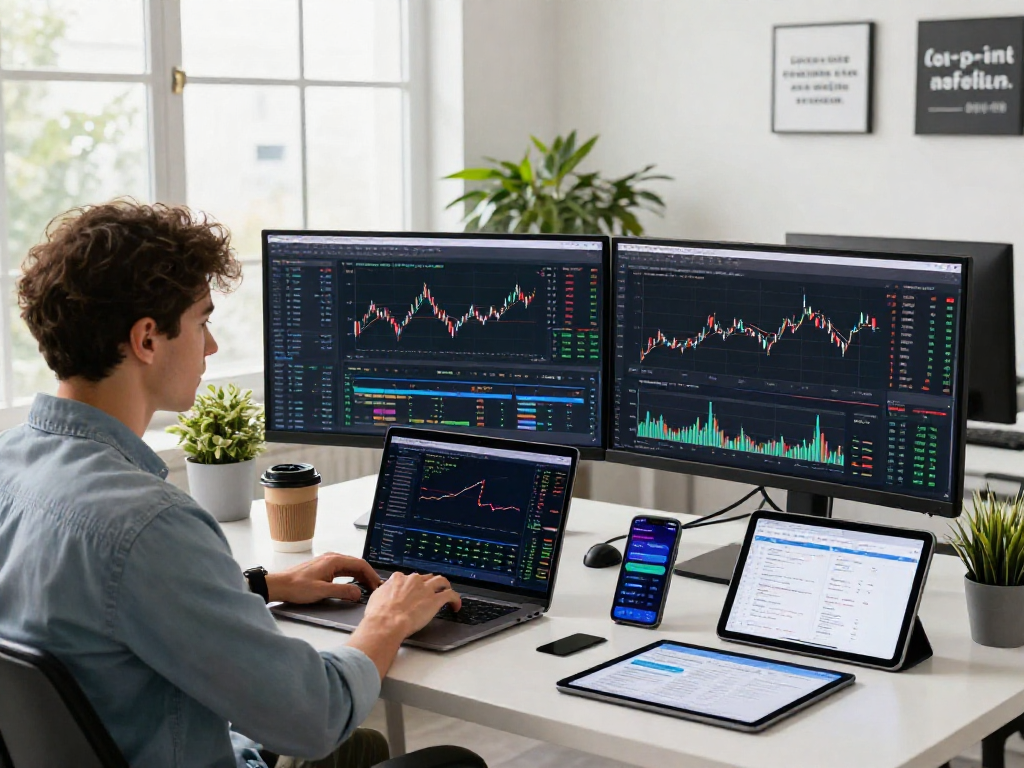
TradingView is a powerhouse in the realm of market analysis, offering traders a comprehensive platform to track various asset classes and markets. Its user-friendly interface, enriched with powerful charting tools, custom alerts, and multi-device capabilities, caters to both novice and experienced traders alike. When exploring options, TradingView provides comprehensive insights that can enhance your trading experience.
What is TradingView and Its Purpose?
TradingView is a cloud-based platform designed for financial analysis and trading. It allows users to analyze stocks, cryptocurrencies, forex, and other financial instruments through advanced charting tools and indicators. The primary purpose of TradingView is to facilitate real-time market analysis and foster a collaborative trading community where users can share ideas and strategies.
Key Charting Tools and Analysis Functions
The charting capabilities of TradingView are one of its standout features. Users have access to an array of tools, including:
- Multi-Timeframe Analysis: Switch between different timeframes to spot trends effectively.
- Technical Indicators: Utilize a wide range of indicators such as Moving Averages, RSI, and MACD to enhance your analysis.
- Customizable Chart Layouts: Create and save layouts that best suit your trading style.
- Social Features: Engage with a community of traders, share insights, and view market analyses shared by others.
Getting Started with TradingView
How to Set Up Your TradingView Account
Creating a TradingView account is simple and can be done within a few minutes. Users can sign up for a free account to start exploring the platform's capabilities. Once signed up, you can customize your profile and start creating charts. For more advanced features, consider upgrading to one of the paid subscription plans that offer additional tools and functionalities.
Navigating the Interface: A Guide for Beginners
Upon logging into TradingView, you'll be greeted with a clean and intuitive interface. The main components include:
- Chart Area: The primary workspace where all analysis happens.
- Toolbox: A panel on the left offering quick access to drawing tools and indicators.
- Symbol Search: The top search bar allows you to quickly find markets or assets.
- Alerts Panel: Set and manage alerts for various market conditions.
Choosing the Right Subscription: Free vs. Paid Plans
TradingView offers multiple subscription plans catering to different user needs. The free plan provides essential features like basic charting tools and limited alerts. In contrast, paid plans unlock advanced features like more indicators per chart, additional alerts, and priority customer support. Assess your trading requirements to choose the right plan that maximizes your analytical capabilities.
Utilizing TradingView for Market Analysis
Technical Analysis: Best Practices with TradingView
To effectively utilize TradingView for technical analysis, consider the following best practices:
- Use Multiple Timeframes: Analyze trends across various timeframes to gain a holistic view of the market.
- Combine Indicators: Employ a combination of indicators to confirm signals and filter out noise.
- Practice Drawing: Use drawing tools to mark support and resistance levels, enhancing your decision-making process.
Creating and Customizing Watchlists on TradingView
The watchlist feature on TradingView is essential for keeping track of your favorite assets. You can create multiple watchlists and customize them based on your trading strategies. Add stocks, forex pairs, or cryptocurrencies you intend to monitor closely, allowing for quick access during trading sessions.
Using Market Screener Tools Effectively
Market screening is vital for identifying trading opportunities. TradingView's screener tool allows users to filter assets based on various criteria, including:
- Price Action: Stock prices, changes, and trends over selected periods.
- Financial Metrics: Evaluate stocks based on earnings per share, market cap, and other financial ratios.
- Technical Indicators: Filter stocks using technical metrics, such as moving averages or volatility levels.
Maximizing Alerts and Notifications on TradingView
Setting Up Price Alerts and Conditions
TradingView's alert system is designed to save you from constant monitoring of markets. You can set up price alerts that notify you when specific price levels are reached. Moreover, alerts can also be configured based on technical conditions, such as crossover events for moving averages.
Understanding the Difference Between Watchlist Alerts and Price Alerts
While price alerts notify you when an asset's price hits a certain threshold, watchlist alerts are triggered when any asset in your watchlist meets predefined conditions. This distinction allows traders to monitor broader market movements efficiently.
Real-World Scenarios: Success Stories Using TradingView Alerts
Many traders attribute their successful trades to the alert features of TradingView. For instance, a day trader might set alerts for breakout patterns, thereby capitalizing on price movements without needing to watch the charts all day. Similarly, long-term investors can use alerts to monitor entry points for assets they believe are undervalued.
Future Trends and Innovations with TradingView
Emerging Features in TradingView for 2026
TradingView is continuously evolving to meet the needs of its users. Upcoming innovations for 2026 may include enhanced artificial intelligence capabilities for predictive analysis and machine learning-powered tools that personalize trading strategies based on user behavior.
Integrating TradingView with Other Financial Tools
To augment its functionalities, TradingView can be integrated with various trading platforms and brokerages. This integration facilitates seamless trade execution based on the analysis conducted on TradingView, allowing for a more efficient trading workflow.
Predictions for Market Analysis Tools in the Coming Years
The future of market analysis tools is leaning towards increased automation and integration. With advancements in AI, traders can expect more intuitive platforms that anticipate market movements and suggest trades. TradingView is likely to become a central hub that not only facilitates analysis but also enables execution through partnerships with various financial service providers.
What devices can I use TradingView on?
TradingView is accessible on multiple platforms, including Windows, macOS, Linux, as well as mobile devices via iOS and Android apps. The platform's universal design ensures a seamless experience, regardless of the device you choose to use.
Is TradingView suitable for beginners?
Yes, TradingView is highly suited for beginners due to its user-friendly interface and extensive educational resources. New traders can benefit from the community features where they can learn from experienced users and dive into the plethora of tutorials available.
How does TradingView compare to other trading platforms?
TradingView stands out among trading platforms due to its rich community features, extensive charting tools, and customizability. Unlike some platforms that offer limited charting and analysis tools, TradingView’s functionality and flexibility make it a preferred choice for many traders.
Can I use TradingView for cryptocurrency trading?
Absolutely! TradingView provides detailed charts and data for various cryptocurrencies, allowing traders to analyze price movements and market trends effectively. The platform also supports integration with crypto exchanges, making it a robust option for crypto enthusiasts.
What resources does TradingView offer for learning?
TradingView is dedicated to helping users enhance their trading skills through a variety of resources. These include:
- Tutorials: Step-by-step guides on using the platform’s features.
- Webinars: Live sessions hosted by experienced traders and analysts.
- Community Ideas: Access to ideas and strategies shared by users, allowing for collaborative learning.