Understanding CNC Machining Parts Manufacturer
CNC machining, or Computer Numerical Control machining, has transformed the landscape of manufacturing in countless industries. By using pre-programmed computer software to dictate the movement of factory tools and machinery, CNC machining allows for precision, efficiency, and versatility that traditional machining methods simply cannot match. As a result, the role of a cnc machining parts manufacturer is crucial in today’s production environment. In this section, we will explore what CNC machining is, the key benefits of its services, and the common applications found across various industries.
What is CNC Machining?
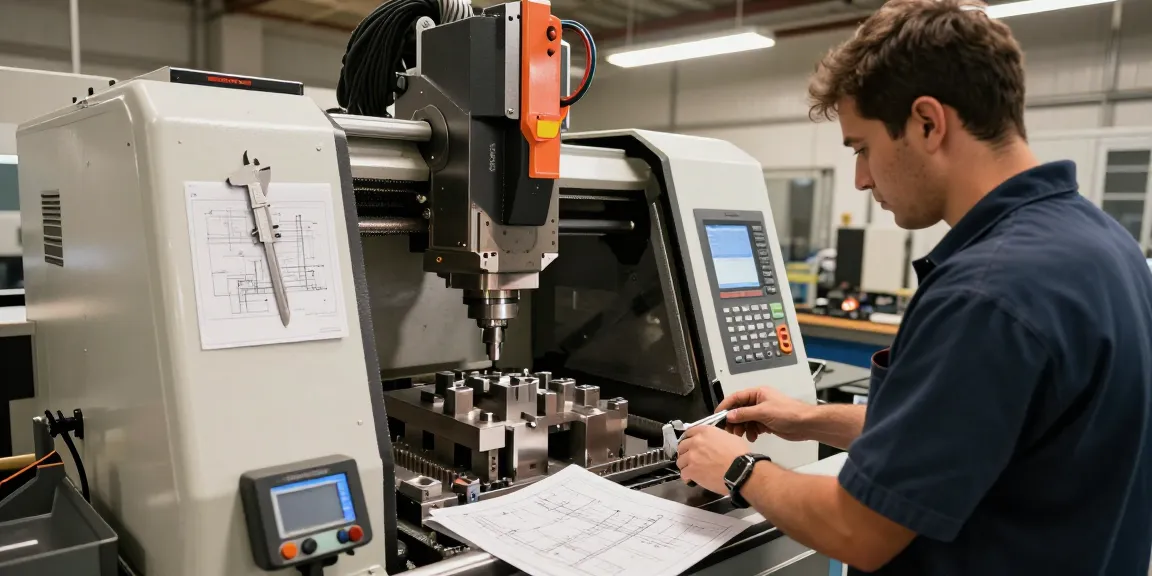
CNC machining is a manufacturing process that employs powered tools, such as mills and lathes, which are controlled by computer programs. This process functions with a high degree of precision, allowing manufacturers to create complex parts from a variety of materials, including metals, plastics, and composites. CNC machining operates on 3D models or CAD (Computer-Aided Design) files, meaning that components can be produced with intricate geometries that are difficult or impossible to achieve with manual techniques.
Key Benefits of CNC Machining Services
- Precision: CNC machines produce highly detailed parts with tolerances as tight as ±0.001 inches.
- Reproducibility: Once a CNC machine is programmed, it can produce thousands of identical parts consistently.
- Efficiency: CNC machining is faster and more efficient than manual machining methods, which leads to reduced manufacturing costs.
- Versatility: The process can handle a variety of materials from metals to plastics, accommodating diverse project needs.
- Complex Designs: CNC machining can create intricate designs that would be impossible with traditional methods.
Common Applications in Various Industries
CNC machining is employed across a wide range of industries due to its adaptability and efficiency. Some of the common applications include:
- Aerospace: Manufacturing components that require high precision and reliability.
- Automotive: Production of engine parts, transmission housings, and custom fixtures.
- Medical: Creation of surgical instruments and prosthetics tailored to individual patient needs.
- Electronics: Producing casings and components for various electronic devices.
Choosing the Right CNC Machining Partner
Selecting the appropriate CNC machining parts manufacturer is vital for the success of any project. The right partner should align with your specific needs and quality standards. In this section, we will discuss critical factors in choosing a manufacturer, criteria for evaluating manufacturing capabilities and technologies, as well as how to understand pricing models and quotes.
Factors to Consider When Selecting a Manufacturer
When considering a CNC machining partner, evaluate their experience and reputation in the industry. Look for manufacturers who provide case studies or testimonials from previous clients. Additionally, consider their certifications, such as ISO compliance, which indicate adherence to quality standards.
Evaluating Manufacturing Capabilities and Technologies
Not all CNC machining manufacturers are created equal. Assess their technological capabilities, from the types of CNC machines they operate to the software they use for programming. Advanced capabilities, such as multi-axis machining, can enhance the complexity and precision of the parts they produce.
Understanding Pricing Models and Quotes
Pricing for CNC machining can vary widely depending on material, design complexity, and volume. It’s crucial to understand how quotes are structured. Some manufacturers may charge a flat rate, while others may offer tiered pricing based on the quantity of parts ordered. Always request detailed quotes that outline all potential costs.
Common Challenges in CNC Machining
Despite its advantages, CNC machining is not without challenges. Quality control, material constraints, and supply chain issues can impede production. In this section, we will delve into these challenges and discuss how to address them effectively.
Addressing Quality Control Issues
Maintaining quality control is paramount in CNC machining. Implementing regular inspections and using statistical process control can help manufacturers detect deviations in quality before they escalate. Additionally, collaborating closely with the manufacturing partner on quality standards can ensure that the final product meets expectations.
Dealing with Material Constraints and Specifications
Each material behaves differently under machining conditions, which can affect the final product. Understanding the characteristics of each material is crucial in planning the machining process. Manufacturers should provide guidance on which materials are best suited for specific applications and designs.
Overcoming Supply Chain Challenges in 2026
In 2026, supply chain disruptions remain a significant concern for CNC manufacturing. Strategies such as diversifying suppliers, maintaining safety stock, and embracing local sourcing can mitigate these challenges. Forward-thinking manufacturers are investing in supply chain analytics to predict potential disruptions and respond proactively.
Best Practices for CNC Machining Projects
Executing successful CNC machining projects involves more than just technical expertise; it requires strategic planning and effective communication. This section outlines best practices to enhance the collaboration between clients and manufacturers.
Effective Communication with Your Manufacturer
Establishing a clear line of communication with your CNC machining partner is essential. Regular updates, feedback, and clarifications can prevent misunderstandings that may lead to costly errors. Utilize project management tools to facilitate transparent communication throughout the machining process.
Prototyping and Iteration Strategies
Utilizing prototypes allows for testing design concepts before full production. Rapid prototyping, such as additive manufacturing or machining a small batch, can yield valuable insights for iterations. Engaging in this process helps refine designs to optimize manufacturability and performance.
Optimizing Designs for CNC Machining Efficiency
When designing for CNC machining, consider manufacturing constraints. Simplifying designs, minimizing unnecessary features, and using standard materials can enhance production efficiency and reduce costs significantly. Collaborating with your manufacturer during the design phase can yield improvements and innovations.
Future Trends in CNC Machining Technology
As we look toward the future, several trends are shaping the CNC machining landscape. Understanding these trends can help manufacturers stay competitive and innovative in their offerings. In this section, we will explore emerging technologies, sustainability practices, and the role of automation and AI in the industry.
Emerging Technologies Transforming CNC Machining
Technologies such as 5-axis machining and hybrid manufacturing (combining additive and subtractive processes) are gaining traction. These advancements allow manufacturers to create even more complex parts with increased efficiency, pushing the boundaries of what is possible in CNC machining.
Sustainability Practices in CNC Manufacturing
With growing awareness of environmental impact, many CNC manufacturers are adopting sustainable practices. This includes recycling metal shavings, using eco-friendly cutting fluids, and sourcing materials responsibly. Efforts to minimize energy consumption during the machining process are also becoming a priority.
The Role of Automation and AI in 2026
Looking ahead, the integration of automation and artificial intelligence into CNC machining processes will continue to evolve. AI-driven predictive maintenance can optimize machine performance and reduce downtime, while automation increases production speeds. These technologies can lead to enhanced productivity and cost savings for manufacturers.
What are the advantages of using a CNC machining parts manufacturer?
The advantages include precision, efficiency, and the ability to produce complex parts with a high level of reproducibility. CNC machining also allows for quick turnaround times and the flexibility to work with various materials.
How do I select the best CNC machining company?
Consider factors such as their experience, capabilities, technology, and customer reviews. It's also important to assess their communication practices and responsiveness during the selection process.
What materials are commonly used in CNC machining?
CNC machining can work with a wide range of materials, including aluminum, steel, brass, plastics, and even composites. The choice of material often depends on the application's requirements and the desired mechanical properties of the finished part.
Can CNC machining handle complex designs?
Yes, CNC machining is particularly well-suited for handling complex designs that require intricate detailing and precision. Multi-axis machines can create parts with complex geometries that would be challenging to achieve with traditional methods.
What is the typical turnaround time for CNC machining projects?
Turnaround times vary based on factors such as part complexity, material availability, and order size. Generally, simple parts can be produced in a matter of days, while more intricate components may take several weeks.