Understanding Brain Tumor Surgery
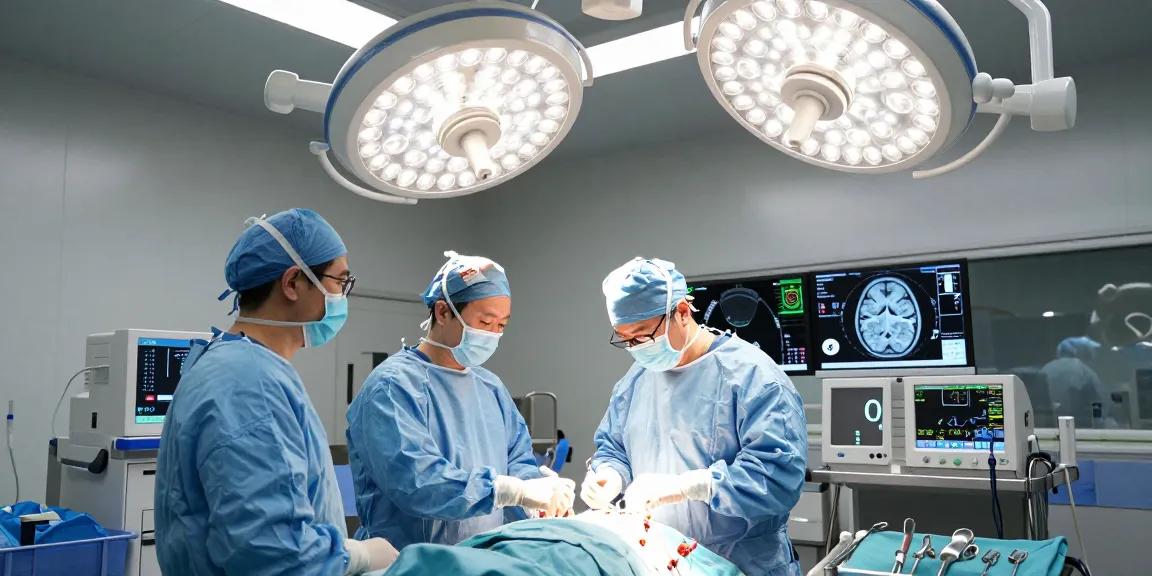
Brain tumor surgery is a critical procedure aimed at removing tumors that can disrupt brain function, whether benign (non-cancerous) or malignant (cancerous). This surgical intervention is often the most effective treatment option, allowing for the alleviation of symptoms and the potential for complete tumor removal. Patients must navigate a complex medical landscape characterized by varying types of brain tumors, such as meningiomas and glial tumors. Understanding the nature of these tumors and the surgical process is vital for patients and families facing this daunting journey. For comprehensive insights into beyin tümörü ameliyatı, one must delve into specific tumor types, surgical strategies, and individual patient needs.
Types of Brain Tumors: Meningiomas and Glial Tumors
The two primary categories of brain tumors are meningiomas and glial tumors. Meningiomas arise from the meninges, the protective layers surrounding the brain, and are usually benign and slow-growing. In contrast, glial tumors originate from glial cells, which support and protect neurons. Glial tumors can be either low-grade or high-grade, with the latter generally indicating a more aggressive growth pattern and a poorer prognosis. Understanding the distinctions between these types is crucial for directing treatment approaches, as each has different implications for surgery and recovery.
Steps Involved in Beyin Tümörü Ameliyatı
The process of brain tumor surgery encompasses several key steps, starting from diagnosis through to post-operative care. Initially, thorough imaging studies, such as MRI and CT scans, are performed to assess the tumor’s size, location, and relationship with surrounding brain structures. Following this, a multidisciplinary team of neurosurgeons, radiologists, and oncologists collaborates to devise a tailored surgical plan. The selected surgical method—whether through craniotomy or innovative techniques such as awake craniotomy—depends on various factors, including tumor type and patient health.
Risks and Complications of Brain Surgery
As with any surgical procedure, brain tumor surgery carries inherent risks. These can range from common complications, such as infections and hematomas, to more severe issues like neurological deficits, seizures, and even mortality. It is essential for patients to be well-informed about these potential risks and to engage actively in discussions with their surgical team to mitigate them through careful planning and post-operative management.
Common Risks Associated with Beyin Tümörü Ameliyatı
- Infection: As with any surgery, there is a risk of infection at the surgical site, which may necessitate antibiotics or further intervention.
- Neurological Deficits: Symptoms such as weakness, speech difficulties, or changes in vision can occur if surrounding brain tissue is inadvertently damaged.
- Seizures: Patients may experience seizures post-surgery, which can be managed with medications.
- Blood Clots: The risk of blood clots forming post-surgery can lead to complications such as deep vein thrombosis (DVT).
Managing Post-operative Complications
Post-operative care is critical in managing the recovery process and addressing any complications. Patients are typically monitored in a recovery unit for 24-48 hours after surgery to ensure stability and to catch any early signs of complications. Regular imaging and neurological assessments are performed to evaluate the effectiveness of the surgery and to monitor for any residual tumor. Effective communication with healthcare providers is essential for patients to express concerns and receive timely interventions when necessary.
Long-term Risks and Benefits Analysis
A thorough understanding of long-term risks associated with brain tumor surgery is vital for informed decision-making. While some patients may experience significant relief from symptoms and improvement in quality of life, others may face ongoing challenges related to their neurological health. Regular follow-up appointments are crucial to detect any regrowth of the tumor and manage any side effects from treatments.
Recovery Process Post-Surgery
The journey to recovery following brain tumor surgery is multifaceted, involving both physical and psychological dimensions. Recovery timelines can vary significantly based on the complexity of the surgery, the patient's overall health, and the type of tumor removed. Understanding the stages of recovery can help set realistic expectations for patients and their families.
Initial Recovery: What Patients Should Know
During the first few days following surgery, patients are most often kept in a hospital setting for close monitoring. Initial recovery focuses on pain management, neurological assessments, and preventing complications. Patients may experience side effects, such as fatigue, headaches, or temporary cognitive challenges, which are typically addressed through supportive care.
Follow-up Care: Importance of Regular Monitoring
Continuous follow-up care is essential in the months following surgery. This typically includes regular MRI scans to monitor for any signs of tumor recurrence and neurological evaluations to assess cognitive and physical recovery. Patients should also be encouraged to communicate any concerns about their recovery, including emotional well-being, with their healthcare provider.
Physical and Psychological Rehabilitation
Physical rehabilitation may be necessary for patients who experience mobility issues or weakness post-surgery. Occupational and speech therapy can also play crucial roles in aiding recovery and improving quality of life. Psychological support, including counseling or support groups, can help patients cope with the emotional challenges associated with a brain tumor diagnosis and surgery.
Costs and Insurance Coverage for Brain Tumor Surgery
The financial aspect of brain tumor surgery is an important consideration for many patients and their families. Understanding the potential costs involved and the insurance coverage options available can alleviate some of the stress associated with the financial burden of medical care.
Understanding Beyin Tümörü Ameliyatı Costs
The costs associated with brain tumor surgery can vary widely based on factors such as the type of procedure, the hospital setting, and the patient’s insurance coverage. Typical expenses may include hospital stay, surgical fees, anesthesia, post-operative care, and any necessary follow-up treatments. It is advisable for patients to discuss these aspects with their healthcare provider and insurance carrier in advance to obtain a clear picture of potential costs.
Insurance Policies and Coverage Options
Most health insurance plans provide coverage for medically necessary brain surgeries, including tumor resections. However, coverage can vary significantly between plans, so it is important for patients to verify their specific policy details. Many hospitals also have financial counselors who can assist patients in understanding their benefits and navigating potential co-pays and deductibles.
Financial Assistance for Patients
For patients facing significant medical expenses, financial assistance programs are often available. These may include hospital financial aid programs, grants, or non-profit organizations dedicated to helping cancer patients. Exploring these options can provide much-needed support and resources during a challenging time.
Future Trends in Neurosurgery
As technology and medical knowledge continue to evolve, the field of neurosurgery is poised for significant advancements. Innovations are expected to improve surgical techniques and outcomes for patients undergoing brain tumor surgeries.
Innovative Techniques in Beyin Tümörü Ameliyatı
Recent advancements in minimally invasive surgical techniques enhance the precision of tumor resections while reducing recovery times and associated complications. Techniques such as neuronavigation and intraoperative imaging allow surgeons to visualize tumor margins more effectively and preserve healthy brain tissue.
Role of Artificial Intelligence in Brain Surgery
Artificial intelligence is beginning to play a pivotal role in neurosurgery, aiding in pre-operative planning and intraoperative decision-making. AI algorithms can analyze images, predict outcomes, and assist in surgical precision, ultimately paving the way for improved patient outcomes.
Predicted Advancements by 2026
By 2026, it is anticipated that further technological improvements in robotics and imaging will redefine standards of care in brain tumor surgeries. Enhanced surgical tools and techniques are expected to lead to higher rates of successful tumor removals and lower incidences of post-operative complications.
What Patients Frequently Ask About Brain Surgery?
Patients often have numerous questions when it comes to brain surgery. Common inquiries include concerns about the risks associated with anesthesia, the length of hospital stays, and the impact of surgery on their daily lives. Open communication between patients and their healthcare providers is vital to address these concerns effectively.
How to Choose the Right Neurosurgeon for Surgery?
Selecting a neurosurgeon is a crucial step in the treatment process. Patients should consider a surgeon's experience, specialization in tumor types, and rapport during consultations. Recommendations from primary care physicians or support groups can also provide valuable insights.
What are the Symptoms Indicating Brain Tumor Surgery is Needed?
Symptoms that may indicate the need for brain tumor surgery include persistent headaches, seizures, cognitive changes, and neurological deficits. A thorough evaluation by a specialist is necessary to determine the appropriate course of action based on individual circumstances.
How Long Does Recovery Take After Beyin Tümörü Ameliyatı?
Recovery times can vary widely among individuals, depending on the complexity of the surgery and the patient’s overall health. Generally, initial recovery may take a few weeks, while full rehabilitation could extend over several months.
Are There Ongoing Treatments After Surgery?
Post-operative care may include additional therapies such as radiation or chemotherapy, depending on tumor type and pathology. For more information, beyin tümörü ameliyatı offers valuable insights. Continued monitoring and follow-ups are essential to ensure long-term success and address any arising issues promptly.