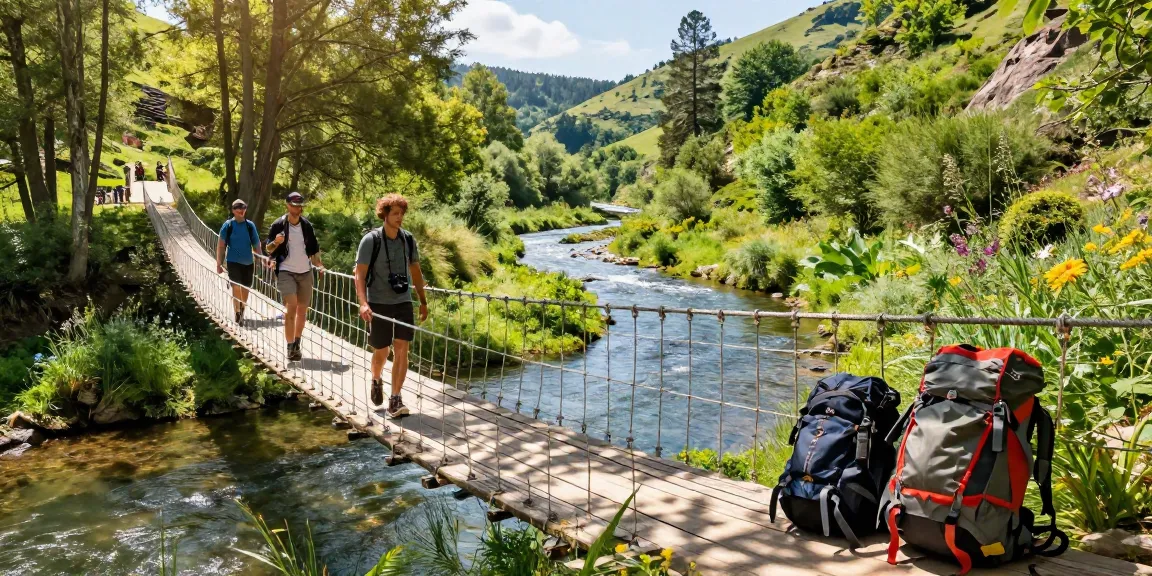
Understanding the River Rope Bridge Concept
The concept of a River Rope Bridge is not merely about aesthetics; it embodies a unique combination of adventure, accessibility, and engineering innovation. These structures, often seen spanning scenic waterways, allow for the crossing of difficult terrains while blending seamlessly with the surrounding environment. As outdoor enthusiasts seek innovative ways to enhance their experiences, understanding the nuances of river rope bridges becomes increasingly essential. When exploring options, River Rope Bridge designs can provide comprehensive insights into their practical applications and benefits.
What is a River Rope Bridge?
A River Rope Bridge, in its simplest form, is a suspension bridge constructed using ropes, cables, and wooden planks, designed to connect two points across a river. These bridges are often used for both recreational and practical purposes, allowing hikers, campers, and even everyday pedestrians access to trails or locations on the opposite bank. Notably, the design prioritises safety while maintaining an adventurous spirit, making it an integral part of outdoor activities in various landscapes.
History and Evolution of Rope Bridges
The origins of rope bridges date back thousands of years, with ancient cultures using natural materials to create basic crossings over rivers and gorges. The earliest recorded use is found in Incan civilization, where grass rope bridges were constructed across Peru's rugged terrain. As materials and engineering techniques evolved, so did the design of rope bridges. Today, modern river rope bridges integrate advanced materials like synthetic fibres and metal cables, enhancing their strength and durability while keeping the rustic charm intact.
Key Features of River Rope Bridges
- Flexibility: The ability to sway with wind and movement allows these bridges to adapt to environmental changes.
- Lightweight Construction: Made primarily from lightweight materials, these bridges can often be installed in remote locations without heavy machinery.
- Natural Aesthetics: River rope bridges provide a rustic and visually appealing addition to natural landscapes.
- Durability: Contemporary designs utilise weather-resistant materials, ensuring longevity in various environmental conditions.
Benefits of River Rope Bridges in Outdoor Activities
River rope bridges serve multiple purposes in outdoor activities, enhancing the overall experience for participants. Their unique design and functionality provide access to otherwise unreachable areas, significantly improving the enjoyment of nature while promoting safe exploration.
Enhancing Accessibility in Natural Landscapes
By providing crossings over natural obstacles, river rope bridges enhance the accessibility of remote trails and natural sites. This not only allows for more extensive exploration of landscapes but also encourages outdoor activities such as hiking, camping, and wildlife observation, fostering a deeper connection with nature.
Promoting Safety in Wilderness Exploration
The stability and design of a well-constructed river rope bridge can greatly increase safety for adventurers crossing potentially hazardous or swift-moving waterways. Unlike makeshift crossings, these bridges are engineered to support consistent foot traffic, reducing the risk of accidents for hikers and families. With proper safety measures in place, users can enjoy the thrill of traversing these structures without compromising their safety.
Environmental Impact Considerations
While constructing any structure in a natural setting, it is vital to consider the environmental impact. River rope bridges are often designed to have minimal impact on the surrounding ecosystem. Using lightweight materials and careful construction techniques, builders can create pathways that blend into the landscape, ensuring that wildlife habitats remain undisturbed.
Choosing the Right River Rope Bridge for Your Needs
Selecting the appropriate river rope bridge involves careful consideration of various factors, including intended use, environmental conditions, and budget constraints. Understanding these elements will lead to a satisfactory selection that meets specific requirements.
Factors to Consider When Selecting a Bridge
- Location: Assess the geographical and environmental conditions where the bridge will be placed.
- Weight Capacity: Determine the expected number of users and their weight to ensure the bridge can support them safely.
- Material Durability: Choose materials that withstand local weather conditions and require minimal maintenance.
- Design Aesthetics: Consider how the bridge will blend with its natural surroundings.
Comparing Different Types of Rope Bridges
There are several types of river rope bridges, each offering distinct advantages based on their design and intended usage. For instance, simple suspension bridges are widely popular for their ease of installation and cost-effectiveness. In contrast, more complex designs may use advanced engineering techniques to span larger distances or support heavier loads. Evaluating the options will help determine the most suitable bridge for specific needs.
Cost Estimates and Budgeting for Installation
Budgeting for a river rope bridge depends on various factors, including materials, design complexity, and installation costs. Basic rope bridges may cost significantly less than custom-designed structures. On average, prices can range from a few hundred to several thousand pounds, making it essential to assess the project scope and budget accordingly.
Installation and Maintenance of River Rope Bridges
Proper installation and ongoing maintenance are crucial for the safety and longevity of river rope bridges. Understanding the installation process and maintenance requirements can help ensure your bridge remains structurally sound for years to come.
Step-by-Step Guide to Installing Your Bridge
- Site Assessment: Evaluate the site to determine the best location for installation, considering environmental impact and user safety.
- Material Selection: Choose appropriate materials based on local weather conditions and expected usage.
- Foundation Preparation: Prepare secure anchor points on either side of the river, often involving concrete footings.
- Bridge Assembly: Construct the bridge according to the design specifications, ensuring all components are securely attached.
- Testing: Before opening the bridge to the public, conduct thorough testing to ensure safety and stability.
Essential Maintenance Tips for Longevity
Regular maintenance is key to ensuring the longevity and safety of your river rope bridge. Here are some important tips:
- Regular Inspections: Conduct frequent inspections to identify any wear and tear or potential safety issues.
- Cleaning: Keep the bridge clean, removing debris and organic growth that could compromise safety.
- Tightening Components: Periodically check and tighten the ropes and cables to maintain structure stability.
- Weather Protection: Apply protective coatings where necessary to prevent weather-related deterioration.
Common Mistakes to Avoid During Installation
To avoid complications during installation, steer clear of common mistakes such as:
- Ignoring Local Regulations: Ensure compliance with local building codes and regulations.
- Overlooking Environmental Impact: Conduct an environmental impact assessment to mitigate any unintended effects.
- Underestimating Load Capacity: Accurately calculate the expected traffic to prevent overloading the bridge.
Future Trends in River Rope Bridge Design
As technology and materials continue to evolve, so too do the designs of river rope bridges. Emerging trends indicate a shift towards more sustainable and innovative construction methods that enhance both functionality and aesthetic appeal.
Innovations in Materials and Techniques
Recent advancements in materials science have led to the development of lighter, more durable options that withstand extreme weather conditions better than traditional materials. Composite materials and high-strength steel cables are becoming increasingly popular, providing greater safety without compromising the natural beauty of the landscape.
Predictions for 2026 and Beyond
Looking ahead, we can anticipate a greater emphasis on sustainability in the design of river rope bridges, with a focus on minimising environmental footprints. Additionally, innovations in technology will likely lead to smarter bridges equipped with monitoring systems that track structural integrity and user safety.
Case Studies of Successful River Rope Bridge Projects
Several notable river rope bridge projects have set benchmarks in design and utility. For example, the Q'eswachaka Bridge in Peru, a UNESCO World Heritage site, showcases traditional techniques blended with modern safety standards, illustrating the cultural significance that these structures can hold while maintaining functionality.
What materials are best for building a River Rope Bridge?
Choosing the right materials is crucial for durability and safety. Common options include treated wood for decking, synthetic ropes for suspension, and metal components for structural support. When selecting materials, consider the environmental conditions they will face.
How long does a River Rope Bridge typically last?
With proper design and maintenance, a river rope bridge can last anywhere from 10 to 30 years, depending on the materials used and environmental exposure. Regular inspections and maintenance are vital in extending its lifespan.
Where can I find River Rope Bridge kits for sale?
Various manufacturers offer kits designed for DIY enthusiasts and professional builders. Local outdoor adventure stores and online platforms are excellent resources for purchasing these kits, ensuring you have all the necessary components for assembly.
How do I ensure safety when crossing a River Rope Bridge?
To ensure safety when crossing, follow these guidelines: properly inspect the bridge before use, avoid overcrowding, and cross one person at a time if necessary. Always maintain a firm grip and focus on your footing to prevent accidents.
What is the average cost of a River Rope Bridge?
The average cost can vary significantly based on the scale and complexity of the bridge. Basic designs might start around £500, while custom-built options could exceed £10,000. Always consider long-term maintenance costs in your budget planning.