
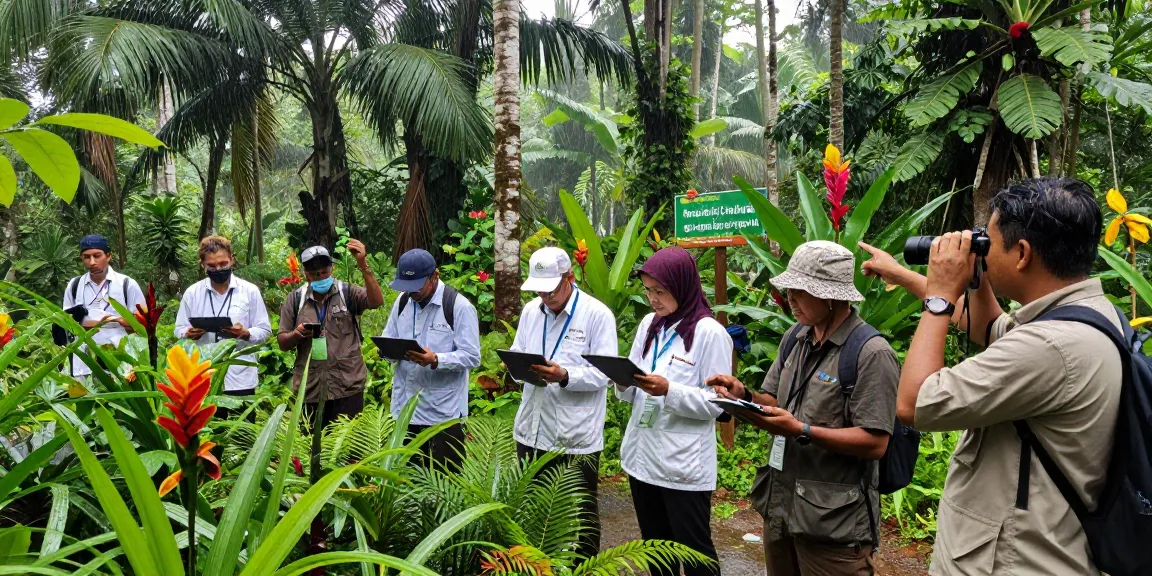
Understanding Indonesia’s Biodiversity
Indonesia, an archipelago located in Southeast Asia, is known for its rich biodiversity and stunning natural landscapes. With over 17,000 islands and a wide range of habitats, from tropical rainforests to coral reefs, Indonesia is home to thousands of plant and animal species, many of which are endemic and found nowhere else on Earth. This remarkable variety of life signifies the importance of biodiversity, not only for ecological balance but also for cultural and economic facets of Indonesian society. For those interested in exploring this diversity further, rokok88 login offers comprehensive insights into various species and conservation efforts.
What is biodiversity?
Biodiversity refers to the variety of life on Earth, encompassing all living organisms, ecosystems, and ecological processes. It includes diversity within species, between species, and of ecosystems. Biodiversity is often expressed in terms of species richness, genetic variability, and the complexity of ecosystems. Indonesia is one of the world’s megadiverse countries, as it hosts an astounding variety of life forms, both terrestrial and aquatic. A vibrant biodiversity is essential for ecosystem services, such as the provision of food, clean water, and air, as well as cultural benefits and economic opportunities.
Importance of biodiversity in Indonesia
The biodiversity of Indonesia plays a crucial role in supporting the livelihoods of millions of people. It contributes to food security, health care, and the economy by providing resources for agriculture, fisheries, and forestry. Traditional medicine, much of which relies on local plants and animals, is vital for many communities. Additionally, Indonesia’s diverse ecosystems, such as mangroves, coral reefs, and rainforests, help mitigate climate change impacts by absorbing carbon dioxide and protecting coastal areas from erosion.
Key species to know and protect
Among Indonesia’s most iconic species are the Komodo dragon, the world’s largest lizard endemic to the Komodo Islands; the Sumatran tiger, critically endangered due to habitat loss and poaching; and the Javan rhinoceros, with fewer than 80 individuals remaining in the wild. Other notable species include the orangutan, the Bali starling, and the Rafflesia arnoldii, which boasts the largest flower in the world. Protecting these species is essential for maintaining ecological health and biodiversity.
Getting Started with ROKOK88
ROKOK88 serves as an invaluable portal for those looking to delve deeper into Indonesia’s rich biodiversity. It provides extensive resources, ranging from educational articles to conservation project updates, ensuring that users are well-informed about the natural heritage of Indonesia. Whether you are a student, a researcher, or simply a nature enthusiast, ROKOK88 is designed to facilitate your exploration of Indonesia’s flora and fauna.
How to create a rokok88 login?
Creating a ROKOK88 login is a straightforward process. Simply visit the portal’s website and navigate to the registration section. You will need to provide essential information such as your name, email address, and a secure password. Once registered, you will gain access to exclusive content, updates on biodiversity initiatives, and community discussions aimed at raising awareness about conservation efforts in Indonesia.
Navigating the ROKOK88 portal
The ROKOK88 portal is user-friendly, featuring a clean layout that allows for easy navigation. Upon logging in, users can explore various sections dedicated to specific topics such as endangered species, habitat preservation, and sustainability practices. The search function enables users to quickly locate specific information, making it a valuable resource for anyone interested in biodiversity.
Benefits of using ROKOK88 for biodiversity information
Utilizing ROKOK88 offers numerous benefits, including access to up-to-date information on conservation projects, articles written by experts in the field, and resources for educators and students. The platform encourages community engagement through forums and events, fostering a collaborative environment to discuss challenges and solutions related to biodiversity. It serves as an essential hub for anyone looking to contribute to conservation efforts in Indonesia.
Research and Conservation Efforts
Current conservation projects in Indonesia
Numerous conservation projects are actively underway in Indonesia, focusing on protecting endangered species and restoring damaged ecosystems. Initiatives such as the Indonesian Rhino Conservation Project and the Orangutan Conservation Programme aim to safeguard habitats and promote sustainable practices. Collaborative efforts with local communities and NGOs are crucial to the success of these projects, as they emphasize the significance of involving those who live in proximity to these valuable ecosystems.
How ROKOK88 supports biodiversity research
ROKOK88 plays a key role in supporting biodiversity research by providing a platform for sharing findings, collaborating with researchers, and disseminating knowledge to the public. By featuring research articles and studies, the portal helps bridge the gap between academia and the general public, fostering a greater understanding of the complex interrelations within ecosystems. Researchers can utilize the portal to engage with the community and promote grassroots conservation efforts.
Engaging with the local community for conservation
Community involvement is critical for the success of biodiversity initiatives in Indonesia. ROKOK88 encourages local participation by highlighting volunteer opportunities, workshops, and educational programs that promote conservation awareness. Engaging local populations ensures that conservation strategies are culturally relevant and sustainable in the long term. Such collaborations can lead to the empowerment of communities as they take an active role in protecting their natural surroundings.
Challenges to Biodiversity in Indonesia
Deforestation and habitat loss
Deforestation and habitat loss pose significant threats to Indonesia’s biodiversity. Deforestation rates are among the highest in the world, driven by palm oil plantation expansion, logging, and infrastructure development. These activities not only destroy critical habitats but also threaten the survival of many species, including the Sumatran orangutan and the Javan rhinoceros. Addressing these issues requires robust policies and enforcement to protect remaining forests and promote sustainable land use practices.
Climate change impacts on biodiversity
Climate change exacerbates existing threats to biodiversity in Indonesia. Rising temperatures, increased frequency of extreme weather events, and shifting precipitation patterns are affecting the habitats and behaviors of various species. Coral reefs, already stressed by pollution and overfishing, are particularly vulnerable to warming ocean temperatures and acidification. Adaptation measures and mitigation strategies are essential to safeguard biodiversity against the impacts of climate change.
Invasive species and their effects
Invasive species, introduced either intentionally or accidentally, further complicate biodiversity conservation efforts in Indonesia. These non-native species often outcompete local flora and fauna for resources, leading to declines in native populations. For example, the introduction of the red-eared slider turtle has negatively impacted local turtle species. Effective management plans are needed to control and eradicate invasive species while promoting native biodiversity.
Future of Biodiversity in Indonesia
Trends in biodiversity conservation for 2026
As we look toward 2026, several trends are emerging in biodiversity conservation in Indonesia. Increasing emphasis is being placed on community-led conservation, where local knowledge and practices are integrated into management strategies. Additionally, technological advancements in monitoring and data collection are enhancing conservation efforts and improving transparency in reporting biodiversity changes. Collaborative partnerships between governmental, non-governmental, and private sectors are expected to grow, focusing on sustainable practices and environmental education.
The role of technology in conservation
Technology plays a vital role in advancing biodiversity conservation efforts. Tools such as drones, satellite imagery, and mobile applications are being utilized for wildlife monitoring, habitat mapping, and data collection. These technologies enable researchers to gather information efficiently and accurately, allowing for better-informed decisions about conservation priorities. Moreover, social media platforms provide avenues for raising awareness and mobilizing support for conservation campaigns.
How individuals can contribute to biodiversity efforts
Individuals can make a significant impact on biodiversity conservation through simple actions. Supporting eco-friendly products, reducing waste, and participating in local conservation activities can help protect Indonesia’s natural resources. Additionally, spreading awareness about biodiversity issues and advocating for sustainable practices can inspire others to take action. Volunteering for local organizations or supporting initiatives like ROKOK88 enhances collective efforts to safeguard Indonesia’s rich biodiversity.
Frequently Asked Questions
What is ROKOK88 and why is it important?
ROKOK88 is a portal dedicated to promoting awareness and understanding of Indonesia’s biodiversity. It serves as a comprehensive resource for educational material, conservation efforts, and species information, making it an essential tool for anyone interested in the ecological wealth of Indonesia.
How can I contribute to biodiversity efforts?
Individuals can contribute to biodiversity efforts by supporting local conservation initiatives, reducing their carbon footprint, and participating in community education programs. Engaging with platforms like ROKOK88 can also provide opportunities for involvement and advocacy.
What unique species should I look out for in Indonesia?
While exploring Indonesia, keep an eye out for unique species such as the Komodo dragon, the orangutan, the Bali starling, and the Sumatran tiger. Each of these species embodies the rich biodiversity that Indonesia has to offer.
What are the latest trends in biodiversity conservation?
Recent trends in biodiversity conservation focus on community engagement, technological advancements, and sustainable practices. These approaches emphasize the importance of local involvement and innovative solutions to pressing environmental challenges.
How can I access information through the ROKOK88 portal?
Accessing information through the ROKOK88 portal is easy; simply register for an account to gain access to a wealth of resources, including articles on biodiversity, conservation news, and opportunities for involvement in local initiatives.